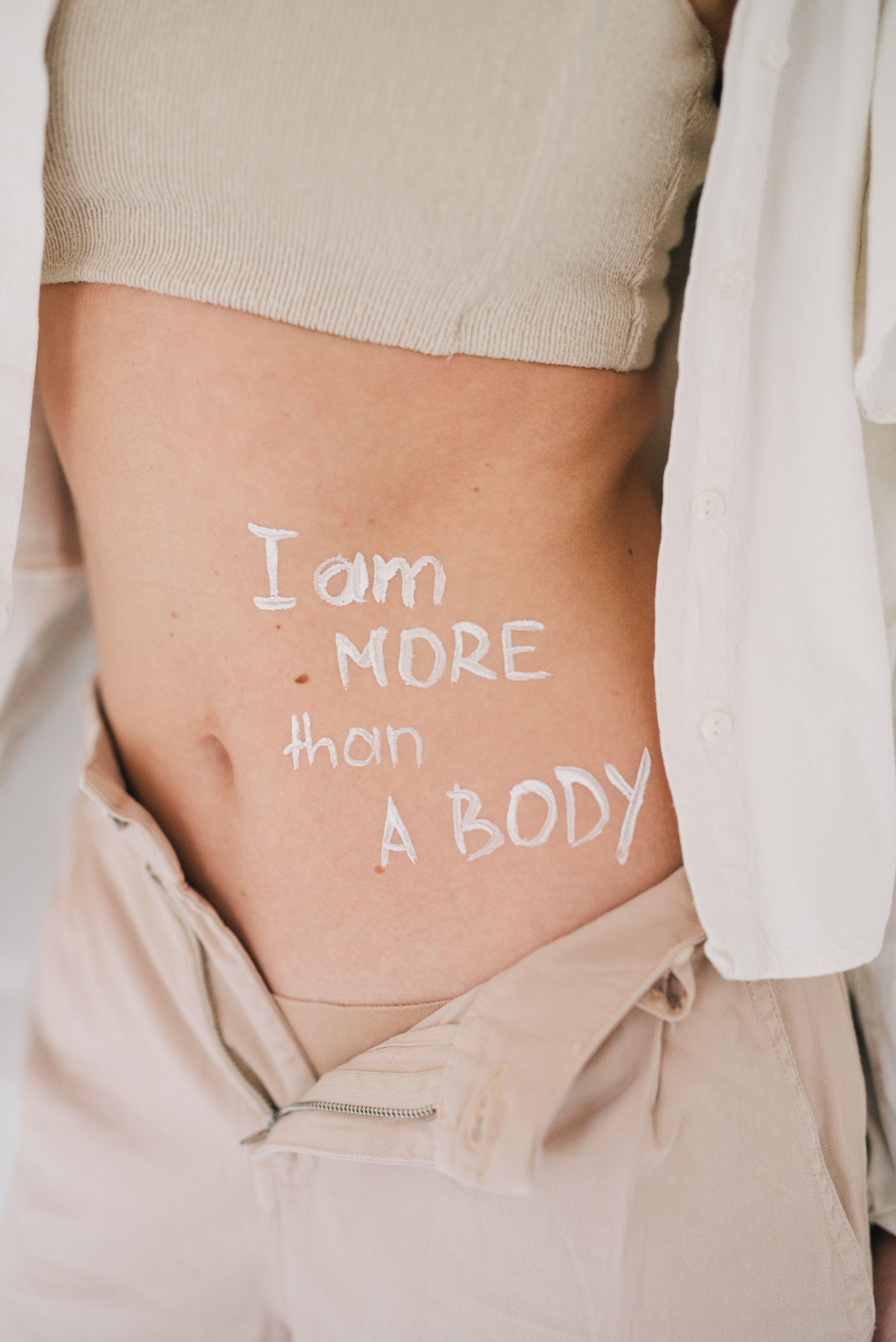
For many women, body image struggles begin early. Over time, messages from social media, culture, family dynamics, relationships, and personal experiences can shape the way we think and feel about ourselves. What starts as occasional insecurity can slowly turn into constant comparison, self-criticism, shame, or feeling like your worth is tied to how you look.
As a therapist, I want women to know this: body image struggles are incredibly common, but they are also incredibly painful and often misunderstood.
What Poor Body Image Can Look Like
Body image concerns do not always look obvious. Sometimes they sound like:
- “I will feel better about myself once I lose weight.”
- Constantly comparing your body to others
- Avoiding photos, mirrors, or certain clothing
- Obsessing over food, exercise, or appearance
- Feeling guilty after eating
- Believing your worth changes based on your size or appearance
- Feeling uncomfortable or disconnected from your body
Even women who appear confident outwardly may privately struggle with negative thoughts about their bodies every single day.
Body Image Is Often About More Than the Body
One of the most important things I help clients understand is that body image struggles are rarely just about appearance.
Body image is often connected to deeper emotional experiences such as:
- Perfectionism
- Anxiety
- Trauma
- Need for control
- Fear of rejection
- Low self-worth
- Attachment wounds
- Pressure to meet unrealistic standards
For many women, controlling food, exercise, or appearance becomes a way to cope with difficult emotions or regain a sense of safety and control.
The Impact of Social Media and Comparison
We live in a world where comparison is constant. Social media often shows carefully curated versions of people’s lives and bodies, making it easy to feel like you are falling short.
The problem is that comparison keeps you disconnected from yourself. Instead of asking, “What does my body need?” many women begin asking, “How do I measure up?”
Over time, this can create an exhausting cycle of chasing perfection while never truly feeling satisfied.
Healing Your Relationship with Your Body
Healing body image is not about suddenly loving every part of yourself every single day. It is about learning to relate to your body with more compassion, respect, and neutrality instead of constant criticism.
In therapy, this may involve:
- Identifying negative thought patterns about your body
- Exploring the deeper emotional roots behind body image struggles
- Challenging unrealistic standards and perfectionism
- Learning intuitive and balanced approaches to food and movement
- Reconnecting with your body in a safe and supportive way
- Building self-worth outside of appearance
For clients who desire it, faith-based principles can also be integrated into the healing process, helping women reconnect with their identity and worth beyond external appearance.
My Perspective
I believe your body was never meant to become your enemy.
Your body carries you through life. It holds your experiences, emotions, memories, strength, and resilience. Healing begins when we stop viewing the body as something to constantly fix and start approaching it with curiosity, compassion, and care.
True confidence is not built through perfection. It is built through acceptance, self-trust, and learning to care for yourself from a place of respect rather than punishment.
A Final Word
If you have spent years criticizing your body, please know you are not alone. And more importantly, you do not have to stay stuck in that cycle forever.
You deserve a relationship with your body that feels peaceful instead of exhausting.
You deserve to nourish yourself without guilt.
You deserve to take up space without shame.
Healing is possible. And it often begins with learning to speak to yourself with the same compassion you so freely give to others.